2017 / Meme / Reaction image and alternating-case mockery
Mocking SpongeBob
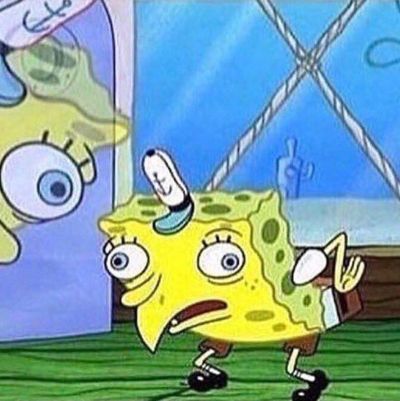
A bent SpongeBob pose and alternating capitalization became a standard format for repeating a claim mockingly.
The original is hosted off-site; this page provides context and a link to it.
What was this?
The meme repeated a claim in a deliberately childish voice and paired it with SpongeBob’s bent posture. The image and capitalization established the tone before the text was read.
Why it spread
The image moved from Twitter through Tumblr, Reddit, group chats, and other social platforms. Alternating-case text later became a portable way to signal mockery in plain text.
What happened
The meme repeated a claim in a deliberately childish voice and paired it with SpongeBob’s bent posture. The image and capitalization established the tone before the text was read.
Where it came from
The frame came from the 2012 SpongeBob SquarePants episode “Little Yellow Book,” but its internet Moment arrived in May 2017 when a tweet turned the pose into a reaction image. The familiar SpongeBob face and bent posture quickly paired with alternating uppercase and lowercase text to imitate someone’s argument back at them.
Why it mattered
Mocking SpongeBob standardized a visual and typographic form of online disagreement: a brief theatrical repetition of another person’s words.
How it spread
The image moved from Twitter through Tumblr, Reddit, group chats, and other social platforms. Alternating-case text later became a portable way to signal mockery in plain text.
Keep going
Related moments
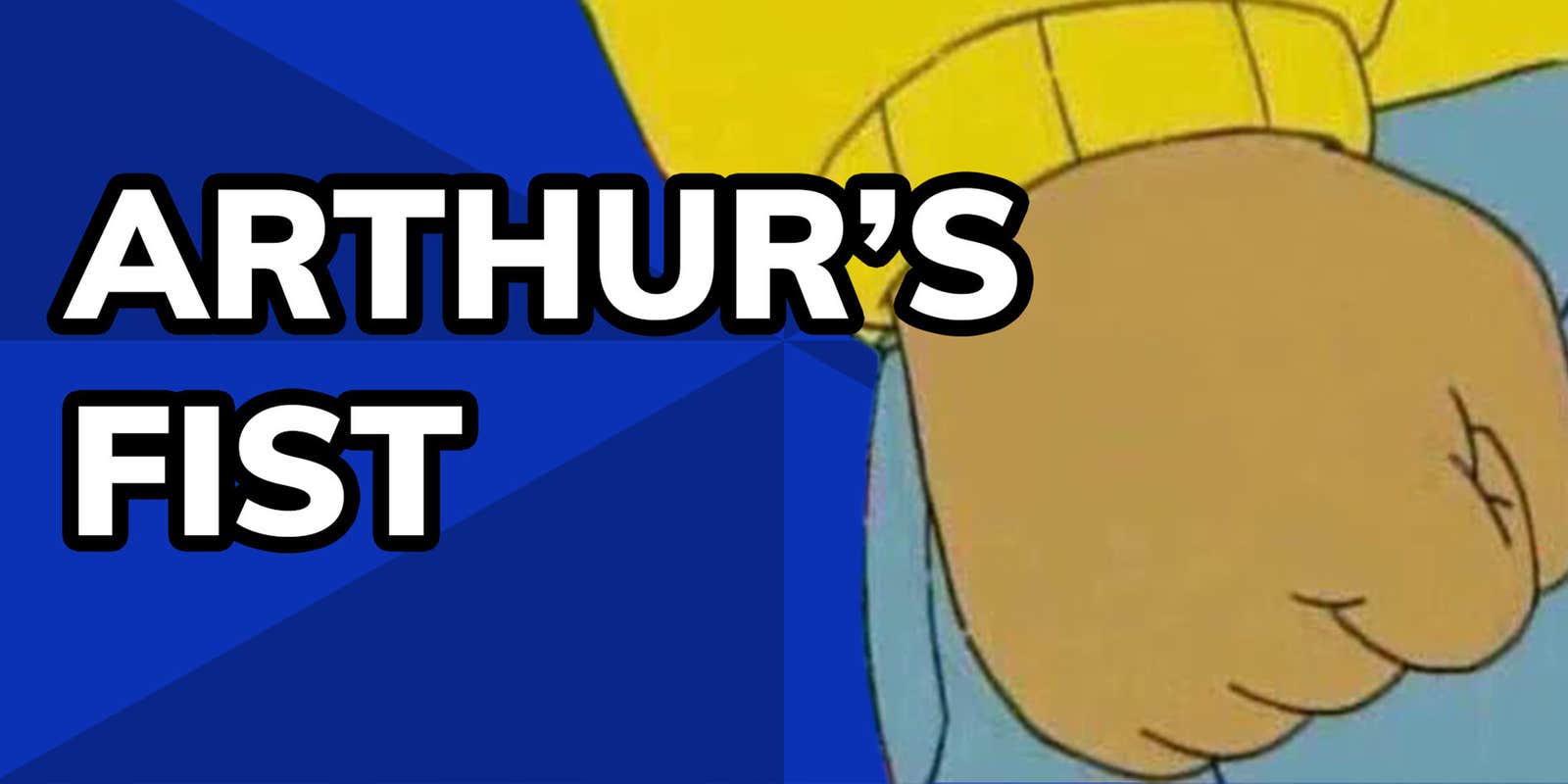
A cropped cartoon fist became a concise reaction image for frustration.

A Gene Wilder still became a familiar image for sarcastic replies.

One glance over the shoulder became the internet’s cleanest diagram of temptation.
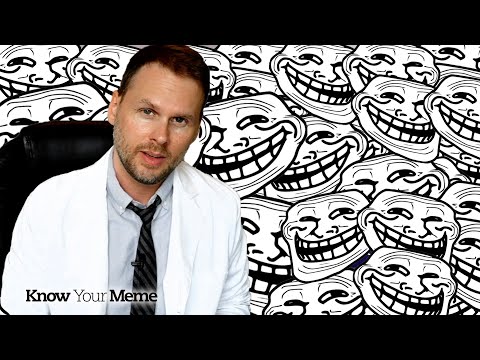
A Microsoft Paint grin became the internet’s quickest way to say: this annoyance was on purpose.